






How Do Cadmium Wire Dealers Choose Copper Coated Wire?
Posted on Jun 24, 2026
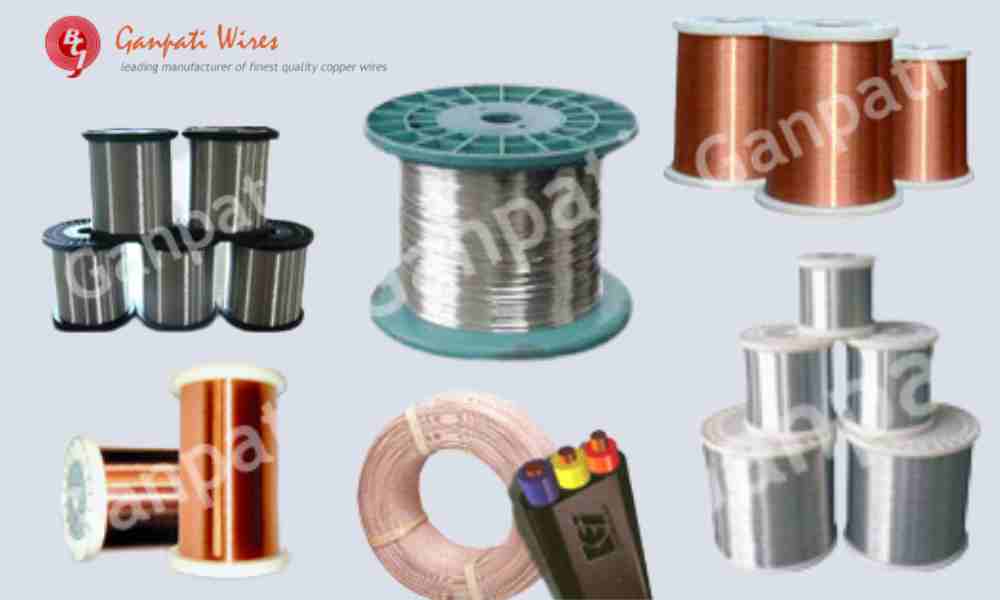
In the world of specialised wiring solutions, professionals working with high-performance materials really have to make careful decisions, as if in a sort of chain reaction. “Cadmium Wire Dealers“ play a key role, supplying alloys that try to balance strength and conductivity for those demanding industrial uses, where you can’t just guess. One usual concern in their work is looking at and choosing copper-coated options in a way that fits different client needs. This article kind of walks through the quiet process behind those picks, pulling together technical principles and a few practical industry observations.
Understanding the Materials Involved
Cadmium copper alloys offer a specific advantage because of the added cadmium. It improves tensile strength without significantly reducing electrical conductivity. These wires are commonly used in applications where the material faces repeated bending or mechanical stress, such as overhead conductors, signal wiring, and specialised electronic components. Cadmium Wire Dealers often supply these materials for such demanding uses, as they perform reliably where plain copper may wear out over time.
Copper-coated wire works differently. It usually has a steel core with an outer layer of copper. This structure provides good conductivity, corrosion resistance, and cost efficiency. Copper-coated wire dealers often supply it for welding, electrical transmission, and structural applications where a balance of properties is needed. The copper coating supports current flow and also protects the wire from environmental damage, making it a practical choice for many industries.
Dealers familiar with both categories understand that one is not simply better than the other. The right choice depends on the application. It comes down to technical specifications, performance needs, and real-world durability over time.
Key Factors in Material Selection
When reviewing options, Cadmium Wire Dealers first focus on electrical conductivity requirements. Pure copper performs well, but coatings or alloying elements like cadmium can noticeably change performance. Many experts recommend checking the International Annealed Copper Standard (IACS) rating to ensure the wire delivers efficient power transfer and maintains signal integrity. If the wire does not meet the required standard, it can lead to higher resistance, heat buildup, and energy loss.
Mechanical strength is equally important. Cadmium additions improve durability and flex life, so Cadmium Wire Dealers often prefer them for applications where movement is frequent. In copper-coated wires, the core material, often steel, adds extra tensile strength. This makes it suitable for support structures and high-stress welding feeds. Dealers usually compare yield strength, elongation range, and fatigue resistance to avoid premature failure in the field.
Evaluating Corrosion Resistance and Durability
Environmental exposure kind of leans heavily on the final choices. Copper-coated wire dealers usually look at how the coating keeps its nerve when it meets moisture, chemicals, or even little temperature swings. If you get that even copper layer, it works like a kind of shield, cutting down oxidation on the inner core. On the other hand, cadmium-copper alloys bring their own sort of resilience in certain situations, but they still might need extra protection in rougher environments.
Academic and engineering guidelines, they tend to stress testing for long-term steadiness. Things such as coating thickness, how well it clings, and what the base material is made of are checked closely. Dealers commonly point to standards coming from groups like ASTM to confirm that everything lines up, so the chosen wire can keep its integrity for years of actual use.
Application-Specific Considerations
Different industry needs kind of call for tailored answers. Like in welding, copper-coated wires help the material glide for easier feeding and keep the arcs steady during MIG processes. Copper-coated wire dealers usually look at diameter consistency, the surface finish, and even the spatter tendencies; then they point to the option that reduces defects and keeps the cleanup time shorter, more or less.
In electrical plus electronic scenarios, Cadmium Wire Dealers tend to pair flexibility with conductivity, not treat them separately. Wires in portable gear, or running along overhead lines, have to handle vibration and constant motion. That’s where the improved properties of cadmium alloys really show up, though coated alternatives can still work for static setups, or places that are more cost-sensitive.
Dealers also fold in regulatory and safety concerns. That means meeting environmental standards, in particular where heavy metals are involved, and making sure the materials align with required certifications for certain sectors like automotive, aerospace, or construction.
Quality Assurance and Sourcing Practices
Reliable selection really starts by choosing vetted suppliers. For Cadmium Wire dealers, the experienced ones tend to zero in on manufacturers who have solid quality control, like real traceability from raw materials all the way to the finished item. They’ll go over mill test certificates, ask for independent lab tests too, for composition and performance, and they pay attention to production steadiness in between batches, not just one “good” run.
“Copper Coated Wire Dealers” do similar work; they check coating uniformity via microscopic inspection, or sometimes conductivity tests, depending on what’s available. The issue is that batch-to-batch drift can change how the wire performs, so consistent sourcing matters. A lot of professionals then build longer-term partnerships with producers that follow international quality management systems, instead of shopping around every time.
Sure, cost effectiveness matters, but it gets balanced against actual performance. Knowledgeable dealers end up estimating total ownership costs, such as installation expenses, maintenance needs, and expected lifespan, not only the initial price you see at first glance. That method kind of matches engineering best practices for more sustainable material choices, and it usually avoids unpleasant surprises later on.
Technical Specifications and Testing Protocols
Detailed specs guide the decisions, sorta like a map without you noticing. Dealers look at wire gauge, temper (hardness) and coating percentage, or sometimes they focus on alloy composition. With copper-coated products, the relationship between copper and core matters a lot; it changes both conductivity and what it weighs – lighter choices tend to get picked for uses where mass really matters, even if it seems small at first.
Testing is important though, not optional. You’ll see tensile testing, bend checks, electrical resistance measurements, plus accelerated ageing to probe corrosion behaviour. Cadmium Wire Dealers and their counterparts then lean on those outcomes to confirm suitability. Academic experts also keep saying that third-party verification is key, for the sake of objectivity and accuracy in the recommendations, so the results don’t get pushed around.
Market Trends and Evolving Needs
Industry demands keep shifting with technology and tighter regulations. There is a growing focus on improving efficiency and reducing environmental impact. Because of this, people are choosing materials more carefully. The goal is to improve performance while also minimising waste.
Copper-coated options often fit this balance well. They are practical and reliable without being too extreme. At the same time, cadmium alloys are still preferred in certain high-reliability applications where trust and performance are critical.
Dealers stay informed through technical literature, trade associations, and client feedback. This ongoing learning helps them keep recommendations current and evidence-based. It also ensures decisions are not driven only by what seems popular at the time.
Conclusion
Frequently Asked Questions (FAQs)
1. What makes cadmium copper wire different from standard copper wire?
Cadmium copper wire incorporates a small percentage of cadmium to significantly boost tensile strength and fatigue resistance while preserving good electrical conductivity. This makes it suitable for applications involving movement or stress, unlike standard copper, which may be more prone to work hardening.
2. How do copper-coated wire dealers determine coating quality?
They evaluate uniformity, thickness, adhesion, and conductivity through visual inspection, microscopic analysis, and electrical testing. Consistent coating ensures reliable performance and corrosion protection.
3. Are copper-coated wires suitable for all welding applications?
Not always. They work well for many MIG welding tasks due to improved feedability and arc stability, but specific jobs may require copper-free or specialised alloys based on material thickness, joint type, and desired weld characteristics.
4. What standards should buyers check when working with Cadmium Wire Dealers?
Look for compliance with relevant ASTM, ISO, or industry-specific certifications. These ensure the material meets required mechanical, electrical, and safety criteria for the intended use.
5. How does cost factor into the selection process for these wires?
While initial price matters, informed selection considers overall value including lifespan, maintenance, and efficiency. High-quality materials often prove more economical over time by reducing failures and replacements.


