






Cadmium Wire Dealers for Industrial Applications: A Buyer’s Guide
Posted on Oct 23, 2026
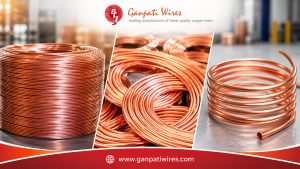
Choosing the right Cadmium Wire Dealers is an important step for businesses that require materials for specific industrial applications. Product quality, dimensional accuracy, material composition, and reliable documentation can all affect purchasing decisions. Industrial buyers must also consider safety requirements and regulations because cadmium is a toxic heavy metal.
Before placing an order, procurement managers should understand the required specifications, compare supplier capabilities, and confirm whether the material meets their intended application. This guide explains the key factors to consider when evaluating suppliers and making informed purchasing decisions. It also introduces Ganpati Wires as a company buyers can contact to discuss their industrial wire requirements.
Understanding Cadmium Wire and Its Industrial Relevance
Cadmium wire is a metal wire made from cadmium or a specified cadmium-containing material, depending on the product description and composition. Its suitability for industrial use depends on its material properties, manufacturing process, dimensions, and intended purpose.
Cadmium has particular chemical and physical characteristics that may make it relevant to certain specialized industrial requirements. However, it is not a general-purpose material for every wire application. Buyers must evaluate whether cadmium is technically necessary and whether a safer alternative can meet the same requirements.
When researching industrial cadmium wire, businesses should focus on three main factors:
- Material composition: Confirm the actual composition and grade of the material being offered.
- Application suitability: Check whether the wire meets the technical requirements of the intended process or component.
- Safety requirements: Understand the potential exposure risks and applicable rules for handling, storage, and disposal.
Clear information about these factors helps businesses avoid unsuitable purchases and improve their material sourcing decisions.
Common Applications of Cadmium Wire
The applications of cadmium wire depend on its precise composition, specifications, and the relevant industrial standards. Buyers should not assume that a product is suitable for a particular purpose simply because it is marketed for industrial use.
Some specialized applications may involve cadmium-containing materials in controlled industrial processes or specific engineered components. However, the suitability of a particular wire must be established through technical documentation and application-specific evaluation.
Before selecting a product, industrial buyers should:
- Define the technical purpose of the material.
- Identify the required mechanical and chemical properties.
- Check relevant industry standards and product requirements.
- Evaluate health, environmental, and regulatory restrictions.
- Consider whether a less hazardous material can provide equivalent performance.
These steps help procurement teams make decisions based on verified requirements rather than general product descriptions.
What to Look for When Choosing Cadmium Wire Dealers
Not all suppliers provide the same level of technical information, documentation, or purchasing support. Comparing Cadmium Wire Dealers carefully can help businesses reduce procurement risks and maintain consistent material quality.
1. Product Quality and Material Documentation
Ask suppliers for information about material composition, wire dimensions, grade, and applicable specifications. Where appropriate, request material certificates, test reports, and technical datasheets.
These documents help buyers verify whether the offered material matches their requirements.
2. Dimensional Consistency
Wire diameter and dimensional tolerances can affect manufacturing processes and the performance of finished components. Confirm the required measurements and tolerances before placing an order.
Ask how dimensional quality is checked and whether inspection records are available.
3. Supply Capacity and Order Requirements
Industrial purchasing often involves specific quantities, delivery schedules, and repeat orders. Discuss minimum order quantities, production or procurement lead times, packaging requirements, and the supplier’s ability to support future demand.
Do not assume that every listed product is available for immediate dispatch.
4. Technical Communication
Reliable cadmium wire suppliers should be able to clarify the information they provide and explain which specifications need confirmation. Clear communication is especially important when the application requires a particular grade or strict dimensional tolerances.
5. Safety and Regulatory Awareness
Cadmium requires careful control because exposure can cause serious health effects. Evaluate whether the supplier can provide relevant safety documentation and information about compliant packaging, storage, and transportation.
A supplier’s price should never be the only factor in the final decision.
Important Cadmium Wire Specifications Buyers Should Check
Understanding cadmium wire specifications is essential before requesting a quotation or approving a purchase. The required specifications should be documented clearly so that the buyer and supplier have the same expectations.
Consider the following factors:
- Wire diameter: The required thickness of the wire, including acceptable dimensional variation.
- Material composition: The chemical composition of the material and any applicable grade designation.
- Dimensional tolerances: The permitted variation from the specified measurements.
- Surface condition: Requirements concerning visible defects, contamination, or surface finish.
- Mechanical properties: Any relevant strength, ductility, or other performance requirements for the intended use.
- Applicable standards: Industry or customer-specific requirements that govern the product.
- Documentation: Available technical datasheets, material certificates, and test reports.
The exact requirements will vary by application. Buyers should request supporting documents where applicable and confirm that the supplied product meets the agreed specifications.
Avoid relying on a general product name alone. A detailed specification helps reduce misunderstandings, purchasing errors, and quality disputes.
Questions to Ask Cadmium Wire Suppliers Before Placing an Order
Before choosing a supplier, procurement managers should prepare a checklist to compare available options. This approach can also help when evaluating cadmium wire manufacturers and other industrial wire suppliers.
Ask the following questions:
- Which material compositions, grades, and wire diameters are available?
- Can you provide technical datasheets and relevant quality documentation?
- How can the material’s composition and dimensions be verified?
- Are the proposed specifications suitable for our intended application?
- What are the minimum order quantity and expected delivery time?
- What packaging and transportation controls are used?
- Can you provide relevant safety data and regulatory information?
- What inspection or quality-control records are available?
- How are product discrepancies or quality concerns addressed?
Compare supplier responses against your documented purchasing requirements. If a supplier cannot confirm an important technical detail, resolve that uncertainty before proceeding with the order.
Safety and Compliance Considerations
Cadmium is a toxic heavy metal, and exposure can cause serious health problems. The risks depend on the form of the material, the exposure route, and the conditions in which it is handled. Certain industrial operations can create hazardous dust or fumes, making appropriate exposure controls particularly important.
Businesses purchasing cadmium-containing materials should consider the following precautions:
- Review the applicable safety data sheet before handling the material.
- Conduct a workplace risk assessment and implement suitable engineering and exposure controls.
- Follow applicable occupational health and safety requirements.
- Establish appropriate storage, labeling, transportation, and waste-management procedures.
- Ensure that workers receive relevant training and understand emergency procedures.
- Check applicable environmental and product regulations before procurement.
Ordinary protective equipment alone should not be treated as sufficient protection against every cadmium exposure risk. Controls must be selected according to the actual process and applicable safety requirements.
Companies should also evaluate whether a less hazardous alternative is technically suitable. Responsible material selection protects workers, supports compliance, and helps reduce environmental risks.
Why Consider Ganpati Wires for Your Industrial Wire Requirements?
Ganpati Wires is a company industrial buyers can approach to discuss their wire sourcing requirements. When evaluating the company for a particular purchase, buyers should first confirm the availability and suitability of the required product.
A practical supplier evaluation should include reviewing product specifications, understanding the available quality documentation, confirming order quantities, and discussing delivery expectations.
If you are considering Ganpati Wires for your industrial wire requirements, contact the company to explain your intended application and ask which products and supporting documents are available. Confirm all material specifications, safety requirements, and commercial terms before placing an order.
This approach helps ensure that purchasing decisions are based on verified product information rather than assumptions about a supplier’s capabilities.
Also Read:Where and Why Is CRT Earthing Wire Used in Electrical Systems?
Conclusion
Choosing the right Cadmium Wire Dealers requires more than comparing prices. Industrial buyers should assess material composition, wire dimensions, technical documentation, quality controls, delivery requirements, and supplier communication.
Safety and regulatory compliance are equally important because cadmium presents significant health and environmental risks. Buyers should confirm the intended application, review the relevant documentation, and evaluate safer alternatives wherever appropriate.
Ganpati Wires can be contacted to discuss industrial wire requirements and confirm product availability. By clearly defining technical needs and verifying supplier information before ordering, businesses can make more informed and responsible procurement decisions.
Frequently Asked Questions (FAQs)
1. What should I consider when choosing Cadmium Wire Dealers?
When choosing Cadmium Wire Dealers, check material composition, wire diameter, dimensional tolerances, quality documentation, order quantities, and delivery timelines. Also, verify that the supplier can provide relevant safety information and that the product meets your intended application requirements.
2. What are the important cadmium wire specifications to check before purchasing?
Important cadmium wire specifications include material grade, chemical composition, wire diameter, dimensional tolerances, surface condition, and applicable industry standards. Buyers should request technical datasheets and relevant material test reports to verify product suitability before placing an order.
3. How can I evaluate the reliability of cadmium wire suppliers?
Evaluate cadmium wire suppliers by reviewing their product documentation, quality-control procedures, communication, supply capacity, and delivery commitments. Ask for relevant material certificates and test reports where applicable. Confirm product availability and regulatory compliance before finalizing the purchase.
4. What safety precautions are necessary when purchasing cadmium wire?
Cadmium is a toxic heavy metal that can cause serious health problems through exposure. Buyers should review the applicable safety data sheet, assess workplace risks, and establish suitable exposure controls, storage procedures, and waste-management practices. They should also verify relevant occupational safety and environmental regulations before purchasing or handling cadmium-containing materials.


