






Important Features to Look for in Bunched Bare Copper Wire
Posted on Apr 24, 2026
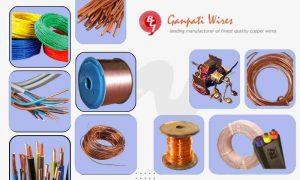
Bunched Bare Copper Wire continues to be a preferred choice in modern electrical and industrial setups due to its outstanding combination of properties. This wire, formed by twisting multiple fine copper strands together without any insulating cover, provides reliable performance across a wide range of uses. As demand grows for efficient, long-lasting conductors, knowing the essential features helps ensure you select the best option from leading Copper Wire Manufacturers.
What Makes Bunched Bare Copper Wire Stand Out?
Bunched Bare Copper Wire is created by carefully bunching numerous thin copper strands into a unified conductor. As a result, this design delivers key advantages over solid wires, particularly in flexibility and overall usability. In addition, the absence of insulation keeps it lightweight, while also allowing direct contact for grounding or specific connections. Moreover, professionals value this wire for its ability to maintain high performance in dynamic environments. Overall, it stands out as a practical and efficient solution for various electrical applications.
Superior Flexibility for Easy Installation
Flexibility ranks as one of the top features of Bunched Bare Copper Wire. The multiple strands twist together in a way that lets the wire bend, curve, and fit into tight or complex spaces without resistance. This makes routing much simpler during installation, whether in machinery, control panels, or moving parts. The wire handles repeated flexing well, supporting applications that involve vibration or motion. Higher strand counts further boost this suppleness, giving users more options to match project demands.
Exceptional Electrical Conductivity
Copper delivers some of the best conductivity available, and the bunched design enhances this quality even more. Current flows smoothly through the many strands, resulting in low resistance and efficient power delivery. This feature supports higher current loads with minimal energy loss, making the wire suitable for demanding electrical systems. In setups requiring consistent performance, this reliable conductivity helps maintain stable operations over time.
Reduced Skin Effect and Improved Efficiency
At higher frequencies, current can concentrate on a conductor’s outer surface—a phenomenon known as the skin effect. The bunched structure counters this by spreading the current more evenly across the strands. This leads to better efficiency, especially in alternating current applications. Similarly, the design helps minimise corona discharge in certain high-voltage scenarios, contributing to safer and more dependable performance.
Impressive Durability and Long Service Life
Bunched Bare Copper Wire offers strong mechanical resilience thanks to its multi-strand construction. The strands distribute stress evenly, reducing the chance of breakage under tension or movement. Copper’s natural properties add resistance to environmental wear, ensuring the wire stays effective for extended periods. This durability makes it a practical choice for setups exposed to ongoing use or challenging conditions.
High Current-Carrying Capacity
The effective use of copper in a bunched format allows this wire to handle substantial electrical loads efficiently. It supports everything from standard power needs to more intensive requirements without overheating concerns. This capacity adds versatility, letting the wire serve in diverse roles across industries.
Excellent Heat Management
The open arrangement of strands promotes better airflow around the conductor. This natural cooling effect helps dissipate heat generated during operation, keeping temperatures in check. Effective heat management supports overall system safety and prevents performance drops in loaded conditions.
Ease of Termination and Connection
Without insulation, Bunched Bare Copper Wire allows straightforward soldering, crimping, or clamping. The bare surface creates clean, secure joints quickly, speeding up assembly and maintenance tasks. This practicality appeals to installers who value efficient workflows and dependable connections.
Versatile Applications Across Industries
Bunched Bare Copper Wire shines in many fields due to its balanced features. It works well in electrical panels, motors, transformers, and generators where conductivity and flexibility matter. Automotive systems benefit from its vibration resistance, while renewable energy projects use it for reliable links in solar arrays. Grounding in data centres and telecom setups takes advantage of its low-resistance properties. Bunched copper wire jumpers also rely on this wire for precise, flexible bridging in circuits.
Copper Wire Manufacturers apply precise techniques to produce uniform bunching, consistent strand sizes, and high purity. These efforts ensure every length performs reliably, meeting strict quality expectations.
Companies like Ganpati Wires deliver premium Bunched Bare Copper Wire that aligns with industry standards, providing dependable solutions for varied needs.
Why Strand Configuration Matters
Look for details on strand count and individual strand gauge when choosing this wire. More strands typically mean greater flexibility, ideal for applications with frequent movement. Finer strands maintain conductivity while adding suppleness. Trusted manufacturers offer customizable configurations to fit exact specifications.
Conclusion
Selecting Bunched Bare Copper Wire based on its core strengths—remarkable flexibility, outstanding conductivity, solid durability, efficient current handling, and effective heat dissipation—leads to better results in any project. These positive features combine to create a conductor that performs reliably, installs easily, and lasts longer. By partnering with experienced Copper Wire Manufacturers, you access high-quality options tailored to modern requirements. Whether building bunched copper wire jumpers, wiring complex equipment, or ensuring safe grounding, this wire delivers consistent value and supports efficient, future-ready electrical systems.


